Questions to Ask a Dying Parent

There is a particular quiet that settles into a room when you know the time you have with someone is no longer open-ended. Maybe you are sitting beside your mother in a hospice bed in Rancho Mirage, or pulling a chair up to your father's recliner in the home he has lived in for thirty years off Country Club Drive. You want to say the right thing. You want to ask the questions that matter. And often, in that exact moment, your mind goes completely blank.
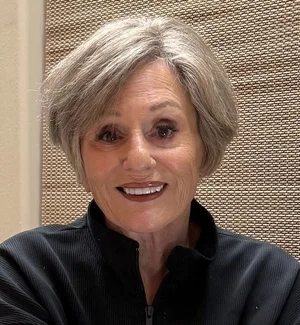
I am Margot, a portrait photographer here in the Coachella Valley, and over the years a lot of my work has carried me into these tender rooms — not only with a camera, but as someone who has sat with many families in the last seasons of a parent's life. The families who feel most at peace afterward are almost never the ones who got the photographs perfect. They are the ones who talked. Who asked. Who let the person tell their own story while they still could.
So this is the page I wish more people had before they needed it. It is a long list of questions to ask a dying parent, organized so you can find your way to the ones that fit your family — along with honest guidance on how to ask, when to ask, and what to do when the answers do not come easily.
Before you ask anything: a few gentle ground rules
These conversations go better when you loosen your grip on how they "should" go.
- There is no perfect script. You do not have to get through a list. One good question that opens a real memory is worth more than twenty you rushed through.
- Follow their energy, not your agenda. Some days a parent is lucid and talkative; some days they are tired, in pain, or foggy from medication. Ask when they are most awake — for many people that is mid-morning — and stop the moment it becomes work for them.
- Let silence sit. After you ask something, wait. Older folks often need a few seconds to travel back in time. The pause is not a failure; it is the memory loading.
- You are allowed to record it. A phone on the nightstand, voice memo running, is the simplest gift you can give your future self. I will say more about this below, because hearing the voice again matters more than people expect.
- Not every question needs an answer. If they deflect, change the subject, or go quiet, let it go. Sometimes the most loving thing is to ask, and then to honor a no.
Now, the questions. Take what serves you and leave the rest.
Questions about their childhood and where they came from
These are often the easiest place to start, because they are far from the present moment and full of detail people love to revisit. They also tend to loosen everyone up.
- What is your earliest memory?
- What was the house you grew up in like? What do you remember about your bedroom, the kitchen, the yard?
- Who did you feel closest to as a child?
- What were your parents like — really like, not just the polite version?
- What did you get in trouble for?
- What were you afraid of as a kid?
- What did a normal day look like when you were ten years old?
- Was there a teacher, neighbor, or relative who changed the way you saw yourself?
- What did your family not have much money for, and how did you feel about that?
- What smells or songs take you straight back to being young?
Questions about love, marriage, and your other parent
If your parents were partners, this is where a marriage you only ever saw from the outside starts to fill in.
- How did you and Mom/Dad actually meet? Not the short version — the real one.
- When did you know?
- What was your wedding day like? What do you remember most?
- What was the hardest year of your marriage, and how did you get through it?
- What did you learn about loving someone that you wish you had known at the start?
- If your spouse is already gone: what do you miss most about them?
- What did you two laugh about that nobody else would understand?
Questions about becoming a parent — and raising you
Be ready for this section to be emotional in both directions. You may hear things that surprise you, soften old wounds, or simply let you feel chosen.
- What do you remember about the day I was born?
- Were you scared to become a parent?
- What did I do as a baby or a little kid that you still think about?
- What were you proudest of in how you raised us — and what would you do differently?
- Was there a moment you were afraid for me, or for one of my siblings?
- What did you want for me that you never said out loud?
- When did you stop seeing me as a child and start seeing me as an adult?
- Is there anything you have wanted to apologize for, or that you have forgiven me for without ever telling me?
That last one is heavy, and you do not have to ask it. But for some families it opens a door that has been stuck for decades. Ask it only if your relationship can hold it.
Questions about who they are, beyond being your parent
One of the quiet griefs of losing a parent is realizing how much of their inner life you never knew. These questions treat them as a whole person.
- What are you most proud of in your life?
- What is the bravest thing you ever did?
- What is a decision that changed the entire direction of your life?
- Did your faith — or your beliefs about what happens next — change as you got older?
- What did you believe strongly when you were young that you no longer believe?
- Who is someone, outside the family, who shaped you?
- What was a time you were truly happy — not a big event, just a plain, good day?
- Is there a version of your life you sometimes imagine you might have lived?
Questions about work, struggle, and the wider world
Our parents lived through more than we sometimes remember. These open up history you can only get from someone who was there.
- What was your first real job, and what did it teach you?
- What was the work you were proudest of?
- What was the hardest financial stretch you went through?
- What historical events do you remember living through? Where were you when they happened?
- How did the world change in ways that surprised you, for better or worse?
- Did you ever have a dream you set down to take care of the family? Do you have peace with that?
The deeper questions — meaning, regret, and what they hope for you
When a parent is ready, these are the conversations that people carry for the rest of their lives. They are not for every visit, and they are not for every family. But if the door is open, walk through it.
- What are you most grateful for?
- Is there anything left unsaid that you want to say — to me, or to anyone?
- What do you want me to remember about you?
- What are you afraid of right now? Is there anything I can do to make it lighter?
- What do you hope for me after you are gone?
- How do you want to be remembered?
- What does a good life mean to you, now that you can see most of yours?
- Is there anyone you would like me to reach out to, reconcile with, or thank on your behalf?
- What should I tell my children, or future grandchildren, about you?
Practical questions you will be grateful you asked
I want to be honest with you: there is a practical side to this season that nobody enjoys, and avoiding it does not make it disappear. Asking these while your parent can still answer is a real kindness to the people left behind — and it often relieves the dying person, too, who may be quietly worrying about the burden they fear leaving.
- Where are the important documents — will, deed, insurance, account information?
- Is there a person you trust to handle things, and have you told them?
- Are there wishes for your care that we should know — comfort, music, who you want nearby?
- What do you want for your service, if anything? Burial or cremation? Any specific requests?
- Are there belongings you specifically want certain people to have?
- Are there debts, obligations, or promises we should know about?
- Is there a song, a reading, or a place that should be part of how we say goodbye?
If your parent is receiving hospice care — whether at home or through one of the valley programs connected to Eisenhower Health — the social workers and chaplains on that team are extraordinary at helping families have these exact conversations. You do not have to carry it alone, and you should not try to.
How to ask when it feels impossible
Most people do not struggle with the list. They struggle with the lump in their throat. Here is what I have learned from the families who managed it anyway.
Start sideways. You do not have to announce "I want to talk about you dying." Hand them an old photograph and say, "Tell me about this." A picture is a door. Often the hardest conversations begin with the easiest object.
Ask one at a time, over many visits. This is not an interview to complete in an afternoon. It is a season. Some of the best answers I have heard came out months apart, on ordinary days, with no agenda at all.
Use the third person if you need to. "When people look back on your life, what do you want them to know?" can be easier to answer — and to ask — than something pointed directly at the ending.
Let yourself cry, and let them. You are not protecting them by holding it in. Tears in these rooms are not a problem to be fixed. They are usually the sign that something true is happening.
If words are too hard, just be present. Hold their hand. Sit in the quiet. Watch the late desert light come through the blinds. Presence is its own question, and its own answer.
Don't only collect words — collect the voice and the face
I am a photographer, so of course I am going to tell you this: write down the answers if you can, but also capture how they say them. A transcript loses the laugh in the middle of a sentence, the way your father's eyes go somewhere far off, the particular roughness of your mother's voice saying your name.
A voice memo on your phone costs nothing and gives you back something irreplaceable. Years from now it will not be the facts you reach for — it will be the sound.
And if you are reading this while there is still time, please consider letting someone make real portraits, too. Almost all of my work like this happens right where your family already is — in your parent's own living room by a sunlit window, at the kitchen table, or out on a shaded patio or in a garden they love. Not stiff, posed pictures, but honest ones, in soft natural light: your parent's hands, the two of you laughing, three generations together on the couch they have always known. Many families wait until the words are already gone before they wish they had the images. If you want a sense of how gently that can be done, I have written about what to expect from a Legacy session and about capturing three generations of women in one frame.
If the answers are hard, or do not come at all
Not every parent is able to give you the conversation you long for. Some are too ill. Some held everyone at arm's length their whole lives and are not going to change at the end. Some say something that hurts.
If that is your story, I want you to know: the asking still mattered. You showed up. You opened the door. What they did with it was theirs to decide, not a measure of your love or your worth. You can grieve the conversation you did not get to have — that is real, and it is allowed. If you are living in that ache before the loss has even arrived, you may find some comfort in our anticipatory grief resource hub, written for exactly this season.
A few questions to ask yourself, too
Finally, while you are gathering theirs, do not forget your own heart in all of this.
- What do I most want them to know before they go?
- Is there anything I would regret not saying?
- What do I need — rest, help, a moment to fall apart — so I can keep showing up?
Say the thing. "I love you." "Thank you." "I forgive you." "I will be okay, and I will take care of everyone." These are the words that close circles. You will be so glad you said them out loud while there was still someone to hear.
If part of preserving your parent's story includes photographs — of them, of your hands together, of the family gathered close one more time — I would be honored to help. I come to you: your parent's home, a quiet window with good light, or a Palm Desert garden the family loves, anywhere across the Coachella Valley. When you are ready, send me a note through my contact page and tell me a little about your parent — even just their name and where they are. We can take it from there, at whatever pace this season allows.