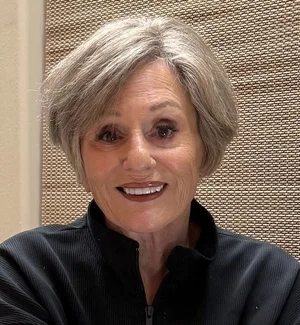
What Grandparents & Older Adults Should Wear for Family Portraits
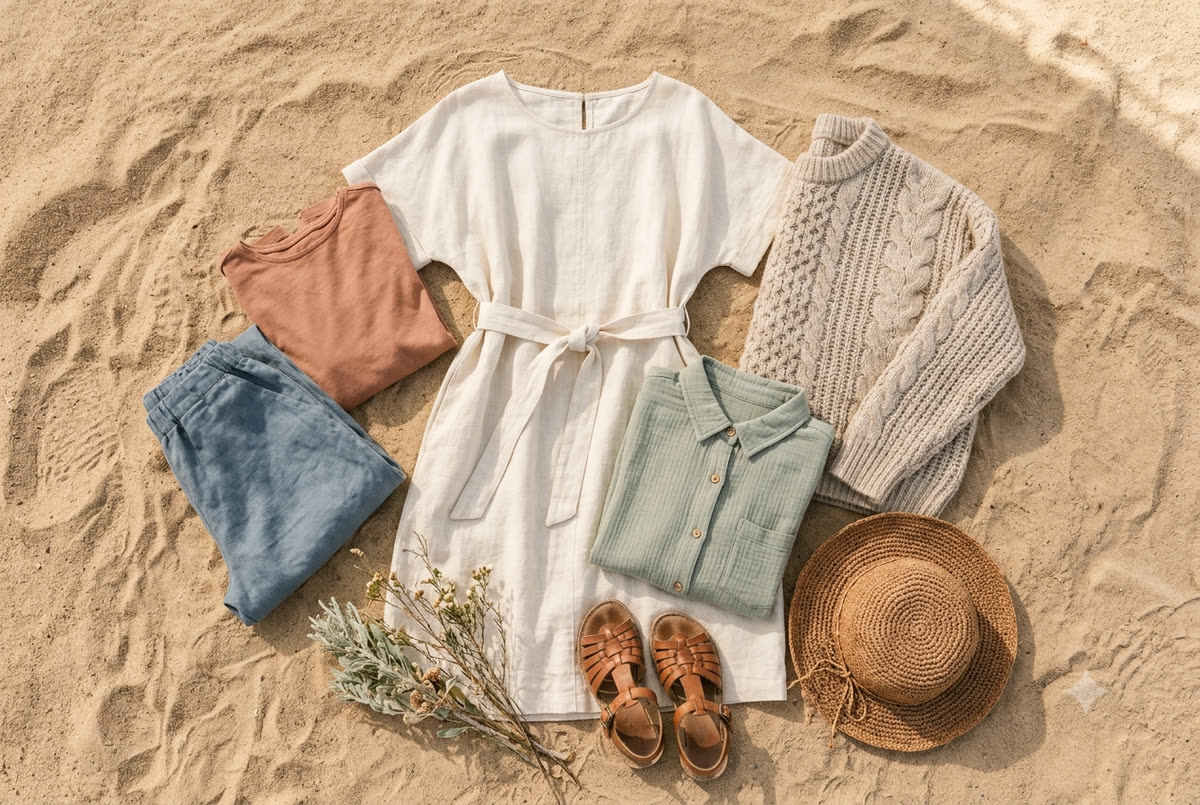
When a family books a session with three or four generations in it, there is almost always one person who quietly worries about the photos more than anyone else — and it's rarely the toddler. It's Grandma, standing in her closet the night before, holding up two blouses and wondering which one makes her look "less tired." Or Grandpa, who hasn't bought a shirt in a decade and isn't sure his good one still buttons.
I want to speak directly to that person, and to the adult children who are organizing the whole thing. Dressing an older parent or grandparent for a family portrait is its own small art. The goal isn't to make anyone look twenty years younger or to hide who they are. It's the opposite — it's to help them feel like the most settled, dignified, recognizable version of themselves, so that years from now their grandchildren look at the picture and think, yes, that's exactly how I remember her.
Here is everything I've learned about that, from photographing families across the Coachella Valley for a long time.
Start with comfort, because comfort photographs
If there is one principle to carry through everything below, it's this: an older adult who is physically comfortable looks relaxed, and a relaxed person is beautiful in front of a camera. A person who is too hot, whose collar is choking them, or whose new shoes are pinching will read as stiff and far away in every single frame, no matter how nice the outfit is.
So before we talk about color and fabric, talk about comfort honestly with the person who'll be wearing the clothes. Can they raise their arms in it? Sit, stand, and bend to a grandchild's height without tugging at anything? Is the waistband forgiving after lunch? These aren't vanity questions — they're the difference between a grandparent who melts into the group and one who looks like they're enduring something.
This matters double for older adults, which is one reason so many of my multi-generation sessions happen right in the family's home — in the living room with soft light coming through the windows, around the kitchen table, out on a shaded patio. There's no parking lot to cross, no walk to a far-off spot, and a grandparent surrounded by their own familiar things settles in a way that shows on their face. When we do head out to a nearby park or garden, plan for the real temperature, not the one you wish for: even in our gentle months an outdoor session can warm up, and the short walk to a shooting spot is not nothing.
The colors that flatter mature skin and silver hair
As we age, a few things shift: skin often becomes a little cooler and more translucent, hair lightens to silver or white, and contrast between features softens. The right colors work with all of that.
Best choices for most older adults:
- Soft, muted mid-tones — sage, dusty blue, slate, mauve, soft teal, warm taupe, plum. These have enough depth to give the face structure without overpowering it.
- Navy and charcoal instead of pure black. They photograph almost as elegantly but are far kinder to the face — true black can drain color from mature skin and make the clothes louder than the person.
- Jewel tones in moderation — a deep emerald, a burgundy, a sapphire. Wonderful on silver hair especially. One person in a rich jewel tone can anchor a whole group.
- Warm cream and soft white rather than stark optic white, which can wash out pale skin.
Be careful with:
- Bright, saturated primaries (fire-engine red, electric yellow, hot pink). They pull the eye to the shirt, not the face.
- Heavy, dark colors right up under the chin with no break — a lighter collar, a scarf, or a necklace softens that line beautifully.
- Anything that exactly matches the skin tone, which can read as washed-out.
A small thing that helps enormously: hold the garment up under the chin in natural light near a window. If your eye goes to the face, it's a yes. If your eye goes to the shirt, keep looking.
Sleeves, necklines, and the honest little things
This is the part nobody says out loud, so I will, kindly. Many older adults feel self-conscious about their upper arms and necks, and that self-consciousness shows up as fidgeting in photos. The fix is almost always simple fabric, not avoidance.
- Sleeves to the elbow or three-quarter length are the workhorses here. They cover the part most people worry about while keeping things light and unfussy. A long, fluid sleeve in a soft knit works too.
- A light cardigan, shawl, or unstructured blazer is the single most useful layer for an older adult. It frames the body, adds a polished line, gives the hands something natural to do, and — bonus — it's removable if a room gets warm or the afternoon sun comes around.
- Necklines that sit comfortably — a soft V or a gentle scoop elongates and flatters; a mock or cowl neck is a graceful way to soften a neck someone is shy about.
- Skip the brand-new dramatic neckline. A portrait session is not the day to try a deep plunge or a stiff high collar for the first time.
For the hands, which we notice more with age — I love a long sleeve, a watch, a wedding band, the things that are already theirs. Hands that have done a lot of living are one of my favorite things to photograph, and a great-grandchild's small fingers wrapped around them is the kind of frame families cry over later.
Fabric and fit are doing more work than you think
Older adults are often best served by clothes that skim rather than cling or tent.
- Choose fabrics with a little structure and drape — ponte knits, fine merino, a soft suiting, a flowing crepe. They hold a flattering shape and hang gracefully when sitting.
- Avoid thin, clingy jersey that shows every line, and avoid anything stiff and boxy that adds bulk.
- Matte over shiny. Satins and sequins catch hard light and add years; a soft matte fabric is quietly elegant.
- Make sure it fits the body of today, not the body of five years ago. The most common mistake I see is a beloved jacket that no longer closes comfortably. A piece that fits now always wins.
- Light wrinkle-resistance is a gift for a session that involves sinking into the sofa, hugging, and being climbed on by grandchildren.
Glasses, hearing aids, mobility aids, and oxygen — let's be practical
I get asked about these constantly, always a little nervously, so let me be plain: none of them are a problem, and you do not need to hide who someone is.
- Everyday glasses: If someone wears them all the time, keep them on — that's how the family knows them, and a photo without them can look subtly off. The only real concern is glare. I work my angles to kill reflections, and if glare is stubborn, an optician can pop the lenses out of a spare frame for an hour, or transition lenses can be given a few minutes in shade to clear. We'll sort it together; you don't have to solve it in advance.
- Hearing aids: Leave them in. They're tiny in a photo and they help the person actually enjoy the session, which matters more.
- Canes, walkers, and wheelchairs: We pose around them as naturally as possible, and often the warmest images include them without making them the subject — a grandfather seated with the whole family gathered in close is a classic, sturdy, beautiful composition. If someone uses a wheelchair, I plan groupings at their level so no one is looking down at them.
- Oxygen or medical equipment: Tell me beforehand so I can plan rest, shade, and a short, efficient session. Dignity and ease come first, always.
The clothing takeaway: dress for the real person, including their real accessories.
Helping the elders sit within the family's palette
The strongest multi-generation portraits share a gentle palette across everyone, and the older adults should live comfortably inside that palette — not stranded off to one side in beige because "older people wear neutrals."
- Pick a family palette of two or three coordinating colors plus a neutral, then let the grandparents wear the richer, deeper version of those tones. If the family is in dusty blue and cream, Grandma in a deep slate or a soft plum looks intentional and lovely.
- Avoid the trap of putting the elders in the most forgettable colors. They are often the emotional center of the photograph — the whole reason the session happened — so let them be visible.
- A grandparent in a jewel tone surrounded by softer family colors naturally becomes the anchor of the group, which is usually exactly right.
If you'd like a fuller framework for the whole group, I walk through it in how to coordinate outfits for large family photos, and there's a desert-specific guide to what to wear for family photos in the Coachella Valley that covers light, color, and the seasons here.
Desert-specific notes for our climate
Most extended-family sessions I photograph happen during snowbird season, roughly November through April, when the visiting grandparents are actually in town and the weather is kind. A few things specific to dressing older adults here:
- Mornings and evenings can be genuinely cool from December through February, especially up toward the mountains in Palm Springs or in an open garden as the sun goes down. Older adults feel cold more keenly, so that cardigan or shawl is functional, not just flattering. Layers let everyone stay comfortable as the temperature drops toward golden hour.
- If we shoot in the warmer shoulder months, breathable natural fabrics — cotton, linen blends, light merino — keep an older person from overheating during the walk to and from our spot. Avoid heavy synthetics.
- Closed, comfortable shoes matter more than they seem. If we do step outside, many of our prettiest spots — the gardens at Sunnylands, the shaded park paths around La Quinta and Indian Wells, a backyard with stepping stones — involve uneven ground. A grandparent in sturdy, attractive flats will move with confidence; one in slick dress shoes will be tentative, and it shows. Indoors this is a non-issue, which is part of why I love working in the home.
- Outdoors, light is everything for a mature face. I keep older adults in the gentle, low light of golden hour or in open shade so the eyes stay relaxed and the skin stays soft, never in flat overhead sun. A wide-brim hat that genuinely suits them can also be a wonderful, characterful addition — and very at home in the desert.
A short, real-world checklist
If you're the one helping a parent or grandparent get ready, here's what I'd hand you:
- One outfit that fits today, in a soft mid-tone or jewel color, navy or charcoal instead of black.
- Sleeves to at least the elbow, or a light layer they can keep on.
- A removable cardigan, shawl, or unstructured jacket for warmth and polish.
- Comfortable, attractive closed shoes appropriate for uneven ground.
- Glasses, hearing aids, and any aids as usual — bring a lens cloth.
- Matte fabrics, not shiny; skimming fit, not clinging or boxy.
- A familiar piece of jewelry — a wedding band, a watch, the necklace they always wear. It belongs in the picture.
- Try the whole outfit on, including shoes, a few days ahead — not the morning of.
What I'm really after
When I photograph the oldest person in a family, I'm not thinking about wrinkles or what a magazine would call flattering. I'm watching for the moment their face softens because a great-grandbaby just reached for them, or the particular way they rest a hand on their spouse's shoulder after fifty years of doing it. The clothing's only job is to get out of the way of that — to be comfortable, dignified, and true enough that nothing distracts from the look on their face.
That's the photograph the family will hold onto. Long after, it becomes one of the most treasured things they own. If you'd like to think through wardrobe for a multi-generation session, or you simply want to gather everyone while a beloved grandparent is in town this season, I'd love to help you plan it gently and well. You can reach me here — tell me who's coming and what these photos mean to you, and we'll take it from there.