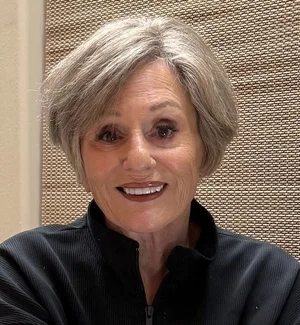
Professional Headshots
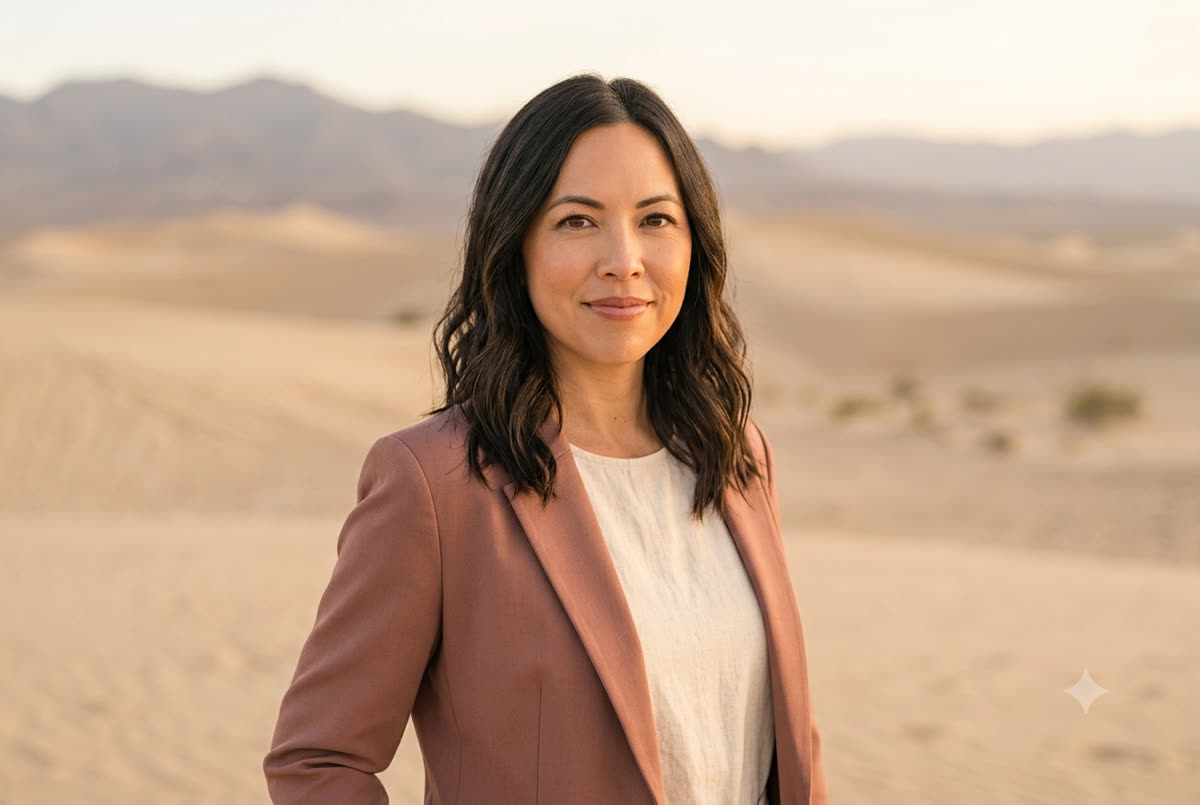
A good headshot does an enormous amount of work in a very small space. Before you walk into a room, before you say a single word, your photograph has already introduced you — on LinkedIn, on your firm's website beside your colleagues, on the speaker badge, on the real estate sign planted in a front lawn in Indian Wells, on the back jacket of the book you finally finished. People decide whether they trust you in about the time it takes to blink, and your headshot is often the first thing they're deciding about. That is a lot of responsibility for one frame. The good news is that getting it right is far less mysterious than most people fear.
I've been photographing people in Palm Desert and across the Coachella Valley for many years, and headshots are some of my favorite work precisely because the goal is so clear: I'm here to capture the most capable, approachable, true version of you, and then get out of the way. I want this to be the most genuinely useful thing you read about professional headshots out here in the desert — not generic advice that could have been written anywhere, but a real walk-through of what to expect, where we shoot — most often right in your own home or at a local park near you — how our light shapes everything, and the small choices that make the difference between a photo you tolerate and one you're proud to use everywhere.
What a professional headshot actually is (and isn't)
Let's start by being precise, because the word "headshot" gets stretched to cover a lot of ground.
A traditional headshot is a tightly cropped photograph of your face and shoulders, lit and composed so that the viewer's whole attention lands on your eyes and expression. It is not a portrait of your personality so much as a portrait of your role — the trustworthy attorney, the warm coach, the polished realtor, the castable actor. Everything in the frame exists to serve that one job.
But headshots have quietly grown up over the last decade. Today, "professional headshot" often means something a little broader:
- The classic corporate headshot — clean, simple, head-and-shoulders, neutral or studio background. This is what most companies want for their team page, and what most professionals need for LinkedIn.
- The environmental headshot — a little wider, showing you in a setting that signals what you do. A surgeon in scrubs near the practice, a designer in a bright mid-century space, a realtor with a sliver of desert and mountain behind them.
- The personal-branding portrait — a small set of images, more relaxed and expressive, made for entrepreneurs, coaches, and creatives who need their face working across a website, a podcast, an Instagram bio, and a media kit. If that's you, my guide to what to wear for branding photos goes deeper on building a wardrobe for a multi-look session.
When you reach out, the very first thing I want to know is which of these you actually need — and honestly, many people need a blend. We'll sort that out before we ever pick up a camera, because the right answer changes the wardrobe, the crop, the background, and even how close we work.
Who needs professional headshots in the Coachella Valley
Out here, the list is longer than people expect. The valley runs on relationships and reputation, and that means faces matter.
- Realtors and brokers, who live or die by being recognizable and trustworthy — your face is on your sign, your card, your every listing.
- Attorneys, financial advisors, and medical professionals, who need to project steadiness and competence the moment a nervous client lands on the website.
- Business owners and entrepreneurs building a brand around themselves.
- Coaches, consultants, therapists, and wellness practitioners, whose work is personal and who need warmth to come through.
- Corporate teams — when a company refreshes its website, everyone needs a consistent, professional look, and I photograph whole teams in a single efficient session.
- Actors and performers, who need an honest, unretouched, castable image (a very particular kind of headshot with its own rules).
- Authors, speakers, and people in the public eye, who need a press-ready photo on hand.
- Job seekers and new graduates, who are often surprised how much a real headshot lifts a profile in a competitive market.
If you've been putting it off, you're in good company — and you should know that a cropped wedding photo or a flattering vacation selfie genuinely does read differently than a professional headshot, even to people who couldn't tell you why. The difference is intention, and it shows.
What to expect from a session with me
My job isn't only to make a sharp, well-lit picture. It's to make the half hour we spend together feel calm and even a little fun, because the ease shows up in your face. Most people arrive at a headshot session a touch nervous — they don't love being photographed, they don't know what to do with their hands, they're sure they have a "bad side." I've heard all of it, and a good chunk of my actual skill is putting that worry to rest.
Before the session, we talk. I want to know where these images are headed and who needs to trust the person in them, what your industry's tone is, and whether you need one clean corporate look or a small range. From there I'll guide you on wardrobe, timing, and where we'll shoot — which, for most people, ends up being right in their own home.
During the session, I keep it light and I direct you closely — and that word direct is the part that surprises people most. You do not need to know how to pose. That's my job. I'll tell you exactly where to put your chin, your shoulders, your weight; I'll show you with my own posture; I'll catch you mid-sentence so the smile is real instead of held. We'll work in small adjustments, and I'll show you the back of the camera early so you can see it's going well and relax into it. A focused corporate headshot can be done in twenty to thirty minutes. A personal-branding session with several looks runs longer, usually an hour or more.
Afterward, you'll review images and choose your favorites, and I'll do a clean, natural retouch — softening a stray flyaway, calming shine, easing a blemish that won't be there next week — while keeping you looking exactly like yourself. I don't reshape faces or airbrush people into strangers. The point of a headshot is that you walk into the meeting and look like your photo.
Where we shoot — and why it's usually somewhere you already feel at ease
A headshot lives or dies on how the light hits your face, and the setting is what decides that light. Most of my headshots happen in one of two places, and neither is a sterile rented studio. We choose based on the look you need, and being a local photographer is what lets me match the place to the light rather than fight it.
In your home, by the window
This is my signature setup, and it's where most of my headshots are made. I come to you, find the largest window in the house, and turn it into a soft, wraparound light source — then we work against a clean wall or a simple, uncluttered corner. There's no commute, no unfamiliar room to stiffen up in, and your closet and your coffee are both within reach. Natural window light is endlessly flattering: gentle on skin, kind to every age, and completely indifferent to how hot it is outside. For a company, I bring the same approach to your office and turn a quiet conference room into a consistent little studio for the day.
A local park, garden, or shaded patio
When you want warmth and a real sense of here, we step outside — not into the open desert, but to a leafy park, a botanical garden, or a quiet courtyard close to home. I photograph these during the golden hour, in the soft, low light of early morning or just before sunset, using greenery and walls to bounce gentle light back onto your face. The result feels alive and connected to place — perfect for realtors, coaches, and anyone who wants a backdrop with a pulse. If you're weighing where to go, my notes on the best time of day for desert portraits cover where and when the light is kindest.
Studio and controlled light
For the cleanest, most consistent corporate look — and for anyone who needs guaranteed repeatability — controlled lighting is the answer. With studio light I can shape exactly how your face is rendered, produce a flawless neutral or white background, and make certain every member of a team matches. The temperature and the weather never enter the photograph, which is why this is the reliable choice when a company needs new hires photographed next year to match the existing wall of faces.
Environmental, on location
Sometimes the best background is your actual world — your office, your storefront on El Paseo, a clean architectural wall in Palm Springs, a courtyard at a Rancho Mirage resort. Here I blend natural and added light to keep you crisp while letting the setting tell part of your story.
Timing and seasons — when the calendar matters (and when it doesn't)
Here's the freeing part: because most of my headshots happen indoors by a window or under studio light, the season barely touches them. You can book a polished, professional headshot in any month of the year, in full air-conditioned comfort, no matter what the thermometer is doing outside.
The calendar only really comes into play when we want to head outdoors to a park or garden. For those sessions, here's the honest breakdown:
- The cooler months, roughly November through April, are ideal for outdoor work — the light is kind and long, mornings are crisp, and a park session is a genuine pleasure. These weeks book up in advance, so reach out early if your heart is set on an outdoor look.
- Late spring stays lovely in the mornings but warms quickly by afternoon.
- Summer, roughly June through September, runs well over 110°F by midday, so I move any outdoor work to the cool edge of early morning — or, far more often for headshots, we simply stay indoors where the heat never touches the photo.
Either way, outdoors I work only in the soft light of early morning or late afternoon, never under a high overhead sun. If you'd like the reasoning behind that, I've written more in the best time of day for desert portraits.
What to wear
Wardrobe comes up at nearly every session, and it deserves real attention because what you wear is the frame around your face — its whole job is to quietly disappear so the viewer is left with you. I've written a complete, closet-open-behind-us guide on this in what to wear for headshots, and I'd genuinely encourage you to read it before your session. But here are the principles that hold up almost universally:
- Dress one notch above the room you want to be invited into — your best, most intentional version of what's normal in your field, never a costume.
- Choose solid, saturated, mid-to-deep colors — jewel tones and rich neutrals flatter most complexions and keep attention on your face. Be deliberate with pure white (it can glow in our bright light) and solid black (it can swallow detail).
- Fit beats everything. A perfectly tailored shirt from anywhere out-photographs an expensive one that gapes or bunches. If you do one thing, get a key piece tailored.
- Mind the neckline and keep sleeves on. Simple necklines open up the jaw; bare shoulders can read as undressed once we crop in tight.
- Skip tiny busy patterns, loud logos, and shiny synthetic fabrics — they misbehave on camera, especially in strong desert sun.
- Bring options and a structured layer — a blazer or cardigan gives us a second, more authoritative look in the same sitting.
A desert-specific note: if we're shooting outdoors in warm months, bring your structured layer on a hanger and only put it on for the frames that need it. Looking relaxed is impossible when you're overheating, and the camera always knows.
Glasses, grooming, and the small things
A few details that come up at nearly every session:
- If you wear glasses every day, wear them — that's how people recognize you. To beat the glare I'll adjust your angle and the light; it helps enormously to borrow empty frames from your optician or pop the lenses for the session, so tell me ahead of time.
- Get a haircut about a week before, not the day before, so it has time to settle, and time any color so roots aren't a worry.
- For makeup, aim for a slightly more defined version of your everyday look — matte holds up better than dewy under bright desert light. Bring a little powder regardless of gender; our dry air and warm light can bring up shine, and a quick dab between frames keeps your forehead and nose calm.
- For men, decide on the beard — a clean shave or a deliberately groomed beard both photograph beautifully; it's the forgot-to-decide stubble that disappoints people later.
- Hydrate and sleep. Tired, dehydrated eyes are the one thing retouching can't fully fix, and out here the dryness sneaks up on you.
Common mistakes I gently steer people away from
- Using a cropped snapshot as a professional headshot. It almost always reads as casual, no matter how good you looked at the wedding.
- Booking midday outdoors in warm months. Harsh light and heat make everyone miserable and unflattering. Trust the soft hours.
- Buying something brand-new and stiff for the session. Wear clothes you've worn and trust; you carry yourself naturally in them.
- Over-retouching. A headshot that doesn't look like you creates a small, awkward moment every time you meet someone who's seen it.
- Letting your headshot go stale. A photo from two haircuts and fifteen pounds ago quietly undercuts you. As a rule of thumb, refresh every two to three years, or sooner if your look has genuinely changed.
- Waiting for the "perfect time." The profile you're building today is working with whatever photo it has right now. Usually the perfect time is this season.
A few questions I'm asked often
How long does a headshot session take? A focused corporate or single-look headshot runs twenty to thirty minutes. A personal-branding session with multiple outfits and setups runs an hour or more.
How many final images do I get? It depends on the package, but for a standard professional headshot most people need just one or two excellent frames — one primary and perhaps a warmer alternate for social media. Branding sessions deliver a fuller gallery across several looks.
Can you photograph my whole team? Yes, and I love this work. I'll set up consistent lighting and a repeatable background so everyone matches, then move people through efficiently so it barely dents the workday. We can do it at your office or in studio.
At home, outdoors, or in studio — which should I choose? For most people I'd start at home with natural window light: it's relaxed, flattering, and works in any season. Choose studio when you need a crisp, repeatable corporate look that has to match a whole team, and choose an outdoor park or garden when you want warmth and a sense of place and the weather is cooperating. Many people blend two of these and pick their favorite afterward.
Do you retouch? Yes — naturally. I'll soften temporary distractions and even out the light, while keeping you recognizably, honestly yourself.
Where are you based? I'm in Palm Desert and photograph throughout the Coachella Valley — Palm Springs, Rancho Mirage, Indian Wells, La Quinta, Indio, Cathedral City, and the communities in between. I'm glad to come to your office or meet at a location that suits the look you're after.
Let's make you a headshot you're proud to use everywhere
The frame I'm always after is the unguarded one — the steady gaze, the easy half-smile, the split second that simply looks like you on a good day. That's the whole craft of a headshot: not turning you into a glossier stranger, but catching the version of you that's quietly doing its job long before you walk into the room.
So if your profile photo is two haircuts old, or you're building a personal brand from the ground up, or your team's website is overdue for a refresh, let's talk. Tell me where the picture needs to live and what you want it to say, and we'll figure out together whether your living room, a nearby park, or a clean studio setup is the right fit. You can reach out here and we'll find a time that suits you.