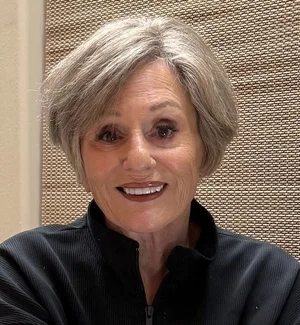
Headshots for Actors & Performers
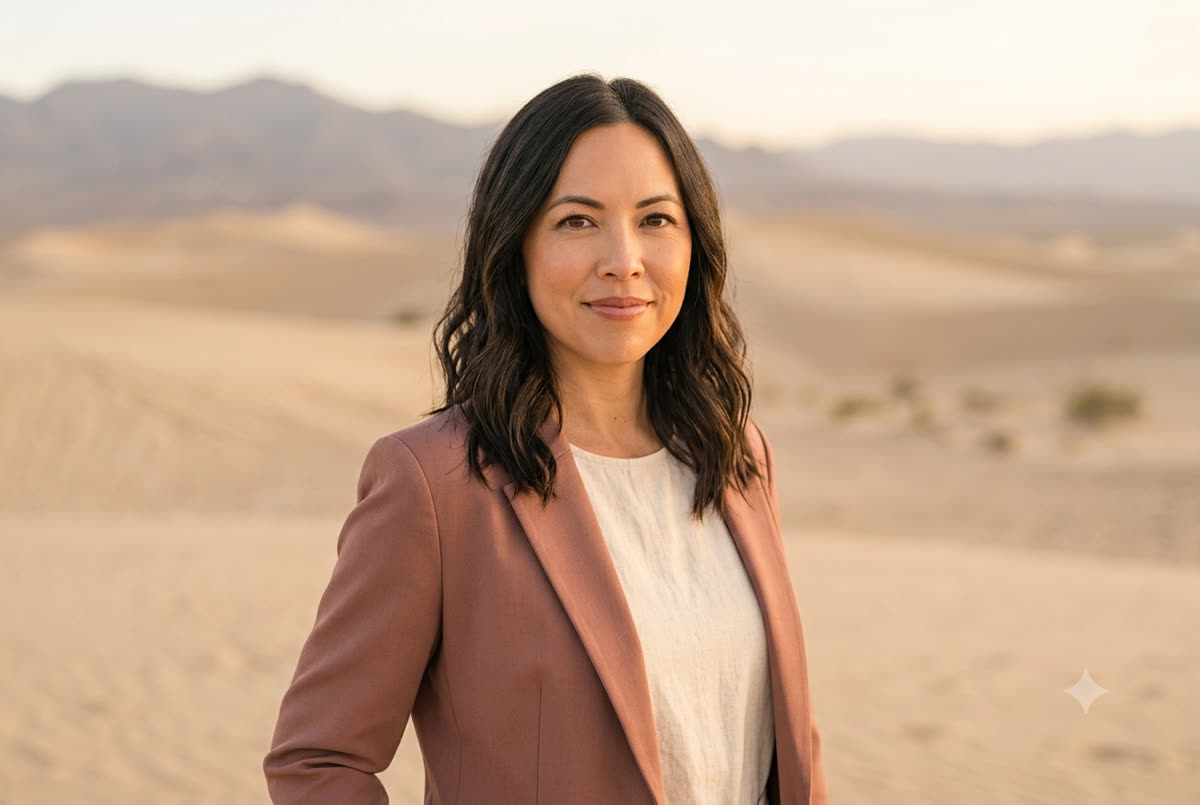
An actor's headshot is the one image that has to do the impossible: walk into a casting office before you do, hold a stranger's attention for the half-second they give it, and make them believe you are exactly the person they have been trying to picture. I have photographed many faces over the years here in the desert, and there is something I love about an actor's session in particular. You are not just capturing a likeness. You are capturing a range, a presence, a working tool. When it is right, a casting director feels like they already know you.
I work with actors, performers, dancers, musicians, and on-camera hosts across Palm Desert, Palm Springs, Rancho Mirage, Indian Wells, La Quinta, Indio, and out to Los Angeles. This is the guide I wish every performer had before their first shoot — what an actor headshot actually is, how it is different from every other kind of portrait, how to prepare, and what to expect when we work together.
What makes an actor headshot different
People use the word "headshot" for everything now — LinkedIn, real estate, the back of a business card. An actor headshot is its own animal, and the rules are stricter for good reason.
A true actor headshot is:
- Tightly framed and eye-forward. Generally chest-up or shoulders-up, with your eyes landing in the upper third of the frame. The eyes are everything. Casting reads the eyes first and decides in an instant whether there is a real person behind them.
- Honest to who you are today. This is the single biggest rule in the industry. Your headshot has to look like you when you walk into the room — same weight, same hair, same age. If a casting director feels misled, you have lost them and the room. No heavy retouching, no shaving ten years off, no hairstyle you wore in 2019.
- Clean and undistracting. Soft, unfussy backgrounds. Wardrobe that supports your face instead of competing with it. Nothing in the frame that pulls the eye away from you.
- Built around a "type" or a "look." More on this below, but a strong headshot communicates a castable idea in a glance: the warm mom, the dry-witted lawyer, the trustworthy doctor, the guy you do not want to meet in an alley.
- Expressive but natural. The goal is a genuine, lived-in expression — a real thought behind the eyes — not a frozen smile or a forced intensity.
Compare that to a corporate or personal branding headshot, where the job is to project competence and approachability for a website or a profile. Both are headshots. They are not the same photograph, and they are not shot the same way.
Theatrical vs. commercial: the two looks every actor needs
In the working world, actor headshots usually fall into two buckets, and most performers want at least one of each.
The commercial look
This is the bright, warm, approachable you. Big genuine smile or a friendly half-smile, open expression, light and airy feel. Commercial headshots sell products and friendliness — think the parent in a car commercial, the nurse in a pharmacy ad, the neighbor who loves their new insurance plan. Wardrobe tends to be a touch more colorful and casual. Energy is up and welcoming.
The theatrical look
This is the dramatic, grounded, "I have an inner life" you. More serious, more neutral, often a stronger and more sculpted light. Theatrical shots are for film, television, and stage — the roles with weight and conflict. The expression is quieter and more thoughtful; the wardrobe is simpler and more muted. You are letting casting imagine you inside a story.
A good session captures both, plus a couple of variations within each, so you leave with options for the different ways you will be submitted. If you sing, dance, or perform live, we will also talk about whether you need a separate performance or promotional image — those follow looser rules and can be more stylized.
Knowing your "type" before you ever sit down
Type is one of the most useful and most misunderstood ideas in casting. It is not an insult and it is not a box that limits you forever. It is simply the first impression you give before you say a word — and casting works in first impressions.
Before your session, spend honest time asking: when strangers meet me, what do they assume? Approachable or intimidating? Polished or rumpled? The best friend or the love interest? The authority figure or the underdog? Watch the kinds of roles actors who resemble you are booking, and notice what their headshots are quietly saying.
You can absolutely have range across two or three types — many performers do. What you do not want is a headshot that says nothing in particular, because "anyone" reads as "no one" to a casting director scrolling through hundreds of submissions. Part of my job in our pre-session conversation is to help you name your looks so we shoot with intention.
Why shoot actor headshots in the Coachella Valley
You do not have to drive to a studio in Burbank to get a headshot that competes. Most of my actor work happens close to home, in the two settings I keep coming back to because they put people at ease and read beautifully on camera.
- In your own home, in natural window light. This is where I shoot most often. A bright room with soft, directional light from a large window gives skin a clean, flattering glow and a relaxed background that falls quietly out of focus. People are simply more themselves on their own turf, and for actors — whose whole job is to be present — that comfort is everything.
- A local park, garden, or patio. When we want an outdoor feel, I lean on the gardens, shaded courtyards, and green pockets around Palm Desert, Rancho Mirage, and Indian Wells, working in the soft golden-hour light just after sunrise or before sunset. A stand of palms, a trellised wall, a hedge that blurs to a gentle wash of green — endless undistracting backdrops, which is exactly what a headshot needs.
- Studio control when you want it. For a classic gray or white seamless theatrical look, or for crisp commercial lighting, we work in a controlled setup so nothing is left to the weather.
- No L.A. commute, no L.A. prices. You can have a relaxed session close to home and still walk away with images that hold their own against anything coming out of the city.
If you do want a more scenic, location feel, the Valley has plenty of it, and I am glad to advise on the best spots and timing. But my bread and butter — and the setting most actors are happiest in — is a comfortable room with good window light or a familiar patch of green nearby.
Working with desert seasons and heat
Timing matters here in a way it does not in a coastal studio — though one quiet advantage of an in-home session is that the weather barely matters at all. For outdoor work, the cooler months give us generous light and wide flexibility on the time of day. In the deep summer, when afternoons run well past 110 degrees, we shoot outside only at the very edges of the day — early morning or that last soft hour — or we simply work indoors in window light. Heat is not your friend on camera; nobody looks relaxed when they are overheated and flushed. I plan our session time around comfort, because a comfortable face is a castable face.
What to wear: wardrobe that works
Wardrobe is where I get the most questions, so let me be specific. Bring more than you think you need — I would rather have too many options than too few.
Do:
- Bring solid colors in tones that flatter your skin. Jewel tones, soft blues, warm earth tones, and clean neutrals all photograph well.
- Choose simple, well-fitting necklines — crew necks, V-necks, henleys, simple collared shirts. Layers like an open shirt over a tee read well for commercial looks.
- Bring a range of energy: one or two casual/commercial pieces and one or two more grounded/theatrical pieces, so we can shoot both looks.
- Think about texture over pattern — a soft knit or a structured jacket adds interest without distraction.
- Bring backups in case something does not photograph the way we hoped.
Avoid:
- Loud patterns, logos, and stripes. They pull the eye off your face and date the photo.
- Bright pure white and dead black as your only options — pure white can blow out and black can swallow detail. Off-whites, charcoals, and rich mid-tones are safer.
- Trendy or costume-y pieces unless they genuinely serve a specific type you book. The clothing should support the face, never star in the shot.
- Big distracting jewelry. Keep it minimal.
A note on hair and makeup: keep it close to how you actually look on a working day. For men, a clean natural look usually wins. For women, soft, natural makeup that evens out skin and brings out the eyes is perfect — nothing dramatic that you would not wear to an audition. If you want a professional makeup artist, I am happy to recommend someone local; just keep the direction "polished version of you," not "transformed."
How to prepare for your session
The best headshots come from people who feel like themselves in front of the camera. Here is how to arrive ready.
- Sleep and hydrate. This is not a throwaway tip. Rest and water show up in your skin and your eyes more than any retouching can. In our dry desert climate, drink more water than you think you need for a few days beforehand.
- Get a haircut about a week out, not the day before — you want it settled, not fresh-out-of-the-chair.
- Practice expressions in a mirror. Not poses — thoughts. Try thinking a real sentence and watch what your face does. Casting wants to see a mind at work behind the eyes.
- Bring your reference images. If there are headshots or roles whose feel you love, show me. It helps me understand the target faster.
- Plan to not rush. Give yourself a buffer so you arrive calm. The first few frames are always the warm-up; the gold usually comes once you have settled in.
What to expect when we work together
My approach is steady and conversational, and that matters more for actors than almost anyone. A tense face cannot hide on camera, and the worst thing a headshot photographer can do is make you self-conscious.
We start with a real conversation — about your type, the roles you are chasing, where you are submitting, and what is and is not working in your current materials. Then we shoot in an unhurried way, working through your looks and wardrobe changes, checking images together as we go so you can see what is landing. I will direct you actively: small adjustments to your chin, your eyes, the thought behind the expression. You do not need to know how to pose. That is my job. Yours is to show up and be present.
After the session, I cull down to the strongest, most castable frames and we select your final images together. I retouch with a light hand — clearing up a temporary blemish, softening a stray flyaway, evening skin — while keeping every line and feature that makes you look like you. I will never hand you a face that cannot walk into the room.
How many headshots do you actually need?
For most working actors, two to four final, finished looks is the sweet spot — typically at least one strong commercial and one strong theatrical, plus a variation or two. Casting platforms let you upload several images, and submitting the right look for the right role is part of the craft. If you are just starting out, a single excellent commercial-and-theatrical pair is a perfectly good beginning; you can always add looks as your range and resume grow.
Common mistakes I help actors avoid
- The headshot that does not look like you. The number one reason a great photo fails in the room. We shoot the real, current you.
- Over-retouching. Plastic skin and erased character read as "trying to hide something." Casting wants a human.
- One look for everything. A single moody theatrical shot will cost you commercial auditions, and vice versa.
- Busy backgrounds and loud wardrobe. If I notice your shirt before your eyes, the shot has failed.
- Letting it go stale. Update your headshots when your look genuinely changes — new hair color, significant weight change, a few years passing, a shift in the roles you are pursuing. An out-of-date headshot is a wasted audition.
- Shooting tense. The fix here is the photographer, not the actor. If you feel rushed or judged, the camera sees it. The whole point of a calm session is to get you out of your head.
A few questions I hear a lot
Do I need a separate body shot? Some markets and roles like a three-quarter or full-length option in addition to the tight headshot. We can easily capture both in one session if it is useful for you.
Color or black and white? Color is the standard for actor headshots today. Black and white can be lovely for a stylized performance or promo image, but lead with color.
What about dancers, singers, and musicians? Performers often want a true headshot plus a more expressive promotional or environmental portrait — something with movement, instrument, or stage energy. A shaded garden, a patio, or a roomy space at home all work well for those, and we will talk through what serves your goals.
How is this different from a corporate or branding shot? Entirely different intent and rules. If you are a performer who also coaches, teaches, or runs a business on the side, you may want both — and a great professional headshot is its own conversation.
Let's create something castable
A headshot should never feel like a chore you survive. At its best, it is an hour or two of someone really paying attention to your face, your range, and the particular spark that sets you apart from every other performer in the casting queue. That is the part of this work I never tire of: no two faces ask to be photographed the same way, and getting yours right is a puzzle worth solving.
If you are an actor or performer anywhere in Palm Desert, Palm Springs, Rancho Mirage, Indian Wells, La Quinta, Indio, or the wider Coachella Valley — or you are coming out from Los Angeles — tell me about the roles you are chasing. Send me a few of the looks you are submitting now, the ones that are working and the ones that are not, through my contact page, and we will map out the images that will open the next set of doors for you.