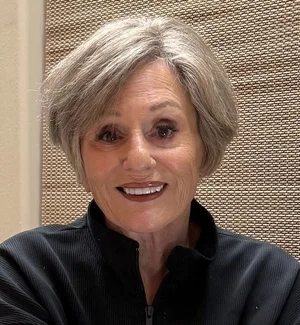
Branding Photos for Coaches & Consultants
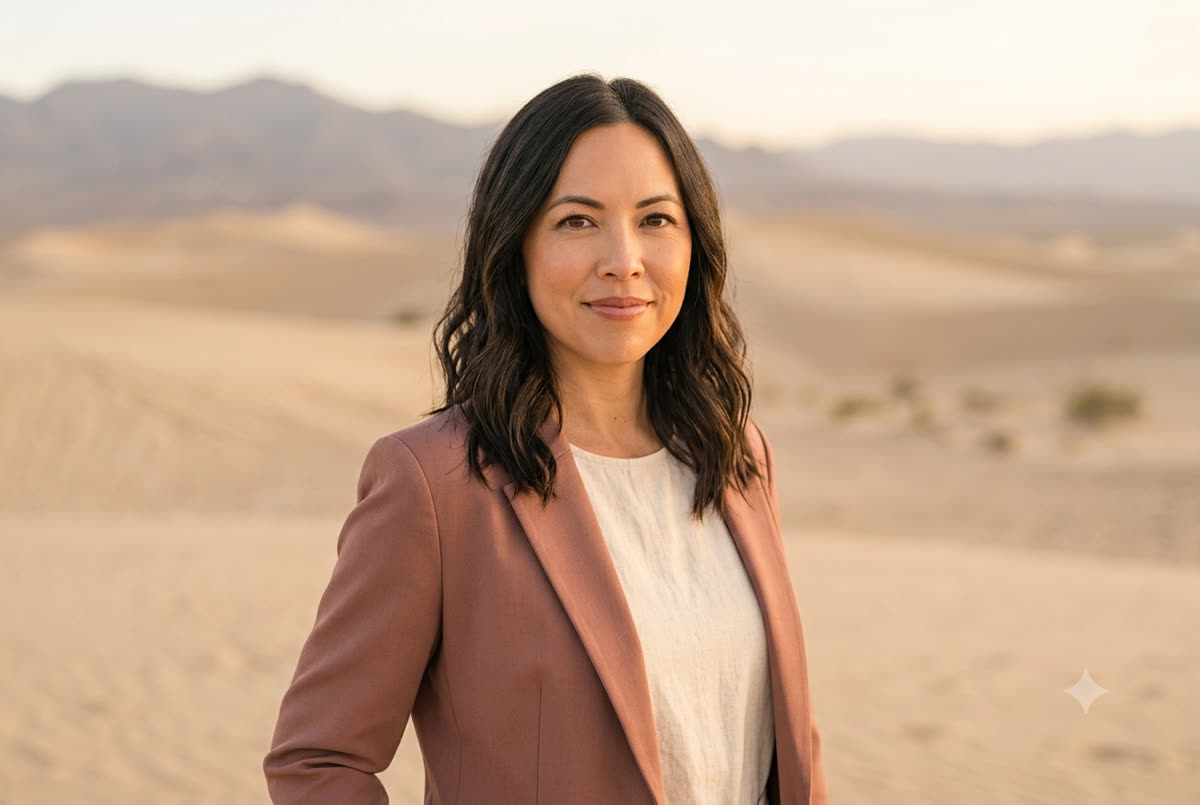
When you are a coach or a consultant, you are the product. There is no logo on a building, no storefront, no shelf of packaging doing the work for you. When a potential client lands on your website or scrolls past your post, they are not buying a service yet — they are deciding whether they trust you. And that decision happens in a fraction of a second, long before anyone reads a single word of your carefully written copy. It happens in the way you look back at them through the screen.
That is what branding photography is really for. Not vanity, not a single polished headshot for a LinkedIn box, but a whole library of images that quietly tells people who you are, how you work, and what it feels like to be in a room with you. I have photographed business owners, executive coaches, wellness practitioners, and independent consultants all across Palm Desert and the Coachella Valley, and the ones who invest in real branding images almost always tell me the same thing afterward: they finally feel like their online presence matches the person they actually are.
Let me walk you through everything — what these sessions are, why they matter for your specific business, and how we plan one here in the desert so you walk away with images you will use for years.
What branding photos actually are (and how they differ from a headshot)
A headshot answers one question: what does this person's face look like? It is a single, clean image — usually head and shoulders, neutral background, professional and a little formal. Every coach and consultant needs at least one strong headshot, and I always make sure we capture a few during a branding session.
But branding photography is a much bigger story. Instead of one image, you come away with a varied collection — twenty, forty, sometimes a hundred images depending on the package — that you can deploy across everything you do. Think:
- A clean, confident headshot for your website's About page and your LinkedIn profile.
- Lifestyle and "in the work" images — you coaching, you mid-conversation, you at your laptop, you walking into a meeting — that feel candid and human.
- Detail shots — your hands holding a coffee, your notebook and pen, your reading glasses, the books on your shelf — that designers use to break up text and add warmth to a page.
- Vertical, scroll-stopping frames built specifically for Instagram Stories, Reels covers, and your phone screen.
- Wide, breathing-room images with lots of negative space, so a designer can lay your headline or your offer right over the photo.
The difference is intent. A headshot proves you are professional. A full branding library makes people feel like they already know you — and people hire the coach they feel they know.
If you are still deciding which you need, I wrote more about that distinction in headshots versus branding photos, and it is a good place to start if you are new to all of this.
Why this matters more for coaches and consultants than almost anyone
In most businesses, the founder can hide a little behind the brand. Not you. Your face is on the sales page. Your face is the webinar thumbnail. Your face is the podcast guest photo, the speaker headshot for the conference program, the avatar on every email that lands in someone's inbox at six in the morning.
Your work is also intangible. A client cannot hold a coaching session in their hands or test-drive your strategy framework. So they look for proxies for quality and trust, and the single biggest proxy is how you present yourself. When your images look warm, current, and intentional, people unconsciously assume your work is the same. When your images are a cropped photo from a wedding three years ago — or worse, a blurry selfie — they assume the work might be a little improvised too. That is not fair, but it is human, and we can use it to your advantage.
There is also a consistency multiplier. The coaches who grow fastest tend to show up everywhere with the same face, the same energy, the same visual feel. That repetition is what makes a stranger feel like they have known you for months. You simply cannot build that with one photo. You build it with a deep, cohesive library — which is exactly what a branding session is designed to give you.
What we plan before the shutter ever clicks
The best branding sessions are about eighty percent planning and twenty percent shooting. Before we meet, I want to understand your business, not just your face. When you reach out, we will talk through a few things:
Who you serve and how you want them to feel. A high-performance executive coach in Indian Wells and a postpartum wellness coach in La Quinta need very different images. One leans crisp, confident, a little editorial; the other leans soft, warm, and approachable. Same desert, completely different mood. I want to know which is yours.
Where these images will live. Website hero banner? Course platform? A book cover? Speaker one-sheet? Knowing the destinations tells me which orientations and how much negative space we need. A website header is wide and horizontal; an Instagram Reel cover is tall and vertical. We shoot for the spaces you will actually fill.
Your brand colors and your "non-negotiables." If your brand palette is terracotta and sage, we will choose wardrobe and locations that live in harmony with it rather than fighting it. If there is an angle you have always disliked or a feature you want handled gently, tell me — I would rather over-plan than surprise you, and there are no wrong things to ask.
A shot list. Together we will sketch out the specific scenarios: the polished headshot, you working at a desk, you "in session" with a stand-in client, walking shots, laughing shots, a few quiet thoughtful ones. We plan it so nothing gets forgotten in the moment.
Where we shoot — and why your own space is usually the best answer
The most natural branding images I make happen in the places where you already feel like yourself. For most of the coaches and consultants I work with, that means starting at home: your living room, a sunlit home office, the kitchen island where you take your morning calls, a back patio or a small garden. In-home sessions are my signature for a simple reason — when you are on your own ground, your shoulders drop, and the photos stop looking like a photoshoot and start looking like a real day in your working life.
Indoors, we work with soft natural window light. A north-facing window or a bright room in mid-morning gives a clean, flattering wrap of light that makes a space feel lived-in rather than staged. We move you near the glass, angle you into it, and let it do most of the work — no harsh studio setup, no equipment crowding the room. It is honest light, and it photographs the way good light always has.
Outdoors, a nearby park or garden adds a second backdrop without a long drive. A local park, a public garden, a quiet tree-lined block, or your own patio gives us fresh frames and a sense of place. For these I plan around golden hour — that long, warm light in the hour before sunset that wraps around you and flatters everyone. A short walkable spot near your home or office is almost always better than driving far for scenery you will never connect to your brand.
If you do want a signature location, the valley offers plenty close by. Clean modern architecture and white walls in Palm Springs for a crisp, contemporary feel. The manicured resort gardens and courtyards of Rancho Mirage and Indian Wells for something polished and elevated. The shaded, palm-lined paths and public gardens of La Quinta and Indio when you want room to breathe. The walkable charm of El Paseo in Palm Desert for an in-the-business, on-the-go vibe. We can fold one of these into a session that begins at home, so you get the comfort of your own space and a distinctive backdrop both.
Summer heat is real, and we plan around it. From roughly June through September, the middle of the day is genuinely brutal — triple digits well before noon. I do not pretend otherwise. In summer we lean even harder on your indoor spaces, where window light keeps you cool and comfortable, and reserve any outdoor frames for the soft edges of the day — a sunrise hour or the last golden hour before sundown. You should look radiant, never wilted, and that is mostly a matter of smart scheduling.
What to wear, made simple
Wardrobe is where most people get nervous, so let me make it simple. The goal is for the clothes to support you, never to compete with you.
- Bring three to five looks. A polished, structured look for your hero headshot. A relaxed, approachable look. And something in between. Variety here means months of content from one session.
- Lean into solid colors and your brand palette. Solids photograph cleanly and keep the focus on your face. Tiny patterns and busy prints tend to flicker and distract, and bold logos date quickly.
- Bring layers and texture. A blazer you can take on and off instantly doubles your number of looks and lets us shift from formal to casual in seconds. Texture — a linen, a fine knit, a structured jacket — reads beautifully in soft natural light.
- Dress for the climate, honestly. Heavy fabrics and tight collars are miserable in the valley and it shows on your face. Breathable fabrics keep you comfortable, and comfortable people photograph far better.
- Mind your hands and details. We will likely shoot close-ups of your hands on a keyboard or holding a cup, so consider a watch, a simple ring, a manicure if that is your thing. Small touches add a lot.
And bring your real props — your actual laptop, your branded notebook, the book you wrote, the coffee mug you always hold on calls. Those genuine objects make the "in the work" images feel true rather than staged.
What the session itself feels like
I know that for a lot of people, especially the ones who spend their days holding space for other people, being in front of the camera feels deeply unnatural. If that is you, I promise you are in the right hands. I shoot at a gentle, steady pace on purpose. We are not racing a clock; we are spending a relaxed couple of hours that happen to produce gorgeous photos.
We will talk while we shoot. I will give you real direction — where to put your weight, what to do with your hands, where to look — so you are never left standing there wondering. The laughs that happen between the "official" frames are very often the keepers, because that is the moment your guard drops and the real you shows up. Finding that genuine expression, the one that is uniquely yours, is honestly my favorite part of this whole job.
Most branding sessions run somewhere between one and three hours depending on how many looks and locations we planned. We move at a pace that feels good, take breaks, and check the back of the camera together so you can see it coming to life.
Common mistakes I help people avoid
- Treating it as a one-time event. Your business evolves; refresh your library every twelve to eighteen months, or whenever you rebrand, relaunch, or change your offer.
- Only shooting headshots. You will run out of usable images in a month. Shoot the full range so you are never scrambling for a graphic again.
- Forgetting vertical frames. So much of your visibility now lives on a phone screen. If we only shoot horizontals, your Stories and Reels suffer.
- Over-editing. I retouch with a gentle hand. People should recognize you when you walk into the room. Honest and warm always outperforms airbrushed and artificial in building trust.
- Waiting until you "look ready." The version of you that exists right now is the one your future clients need to meet. There is no perfect future moment — there is just getting started.
How to make the most of your images afterward
Once you have your gallery, batch it into a simple content bank. Pull a handful for your website refresh, set aside a dozen for social posts, reserve the wide negative-space frames for quote graphics and offer announcements, and keep your strongest headshot ready for podcast guesting and speaker submissions. Suddenly the question "what photo do I use?" — the one that quietly stalls so many launches — simply disappears.
If you are building out your whole online presence, you may also find my notes on LinkedIn headshots that actually get clicks and building a personal brand as a desert business owner helpful companions to this piece.
Let's tell your story
You have built something real — a practice, a method, a way of helping people that the desert needs. Your images should carry that with the same confidence and warmth you bring to your clients. I would love to help you create a library of photographs that finally looks like the person you actually are, made right here in the light and landscape of the Coachella Valley.
If your website still shows a version of you from a few jobs ago, that is the sign. Send me a note about your work and tell me where your images fall short of the person clients meet in the room. We will figure out, together, how to close that gap — starting in the space where you already feel most like yourself.